
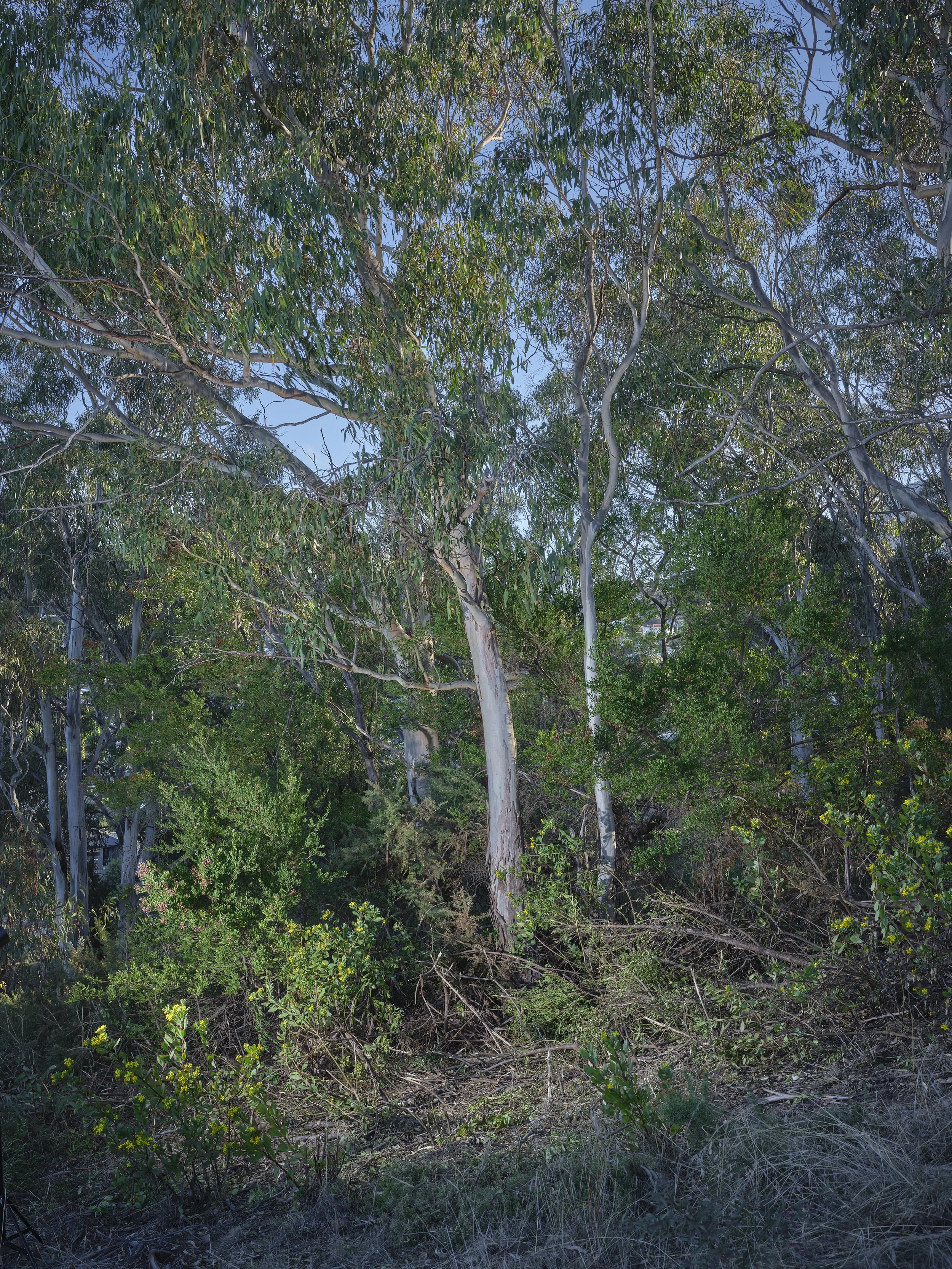
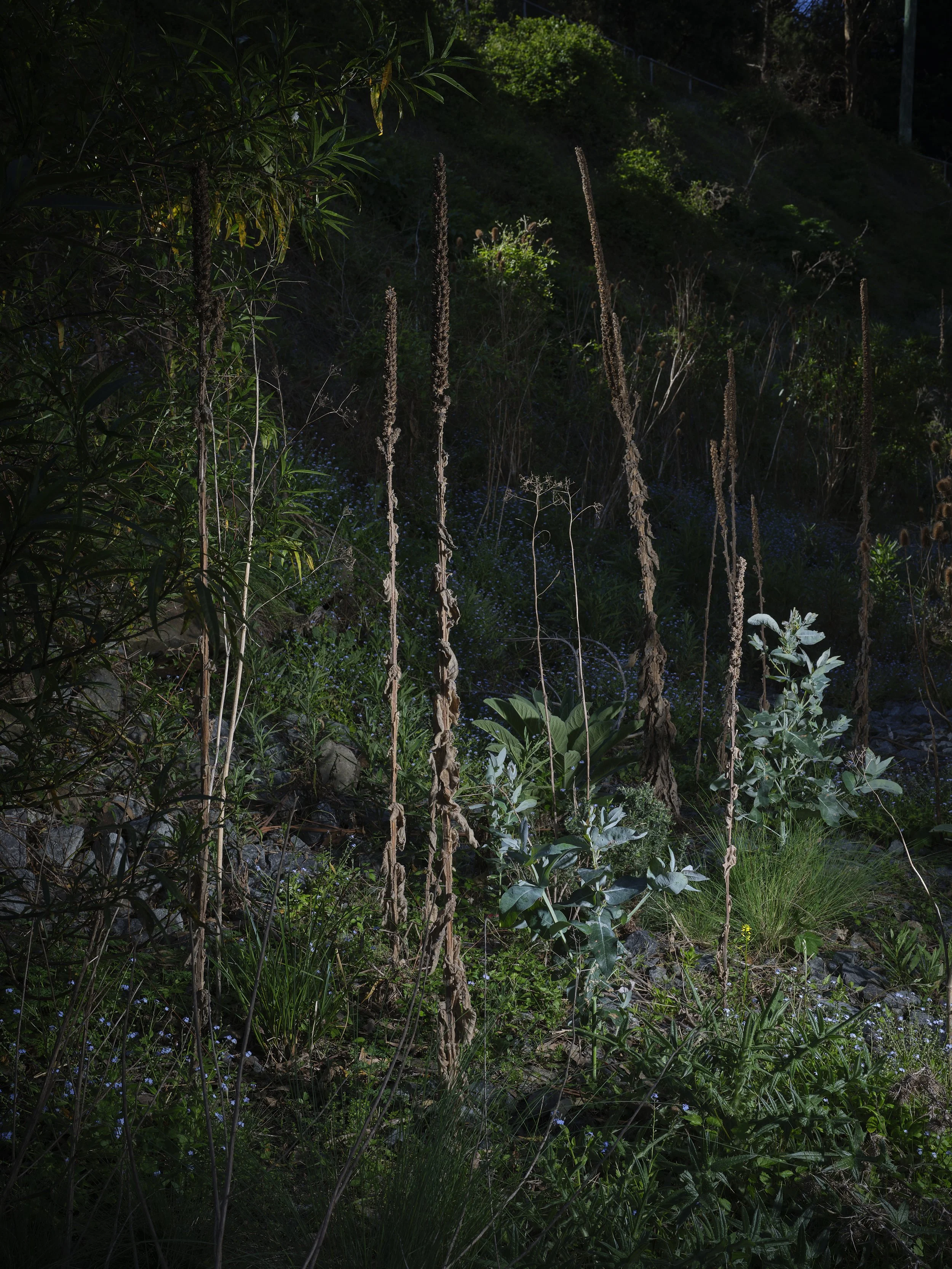
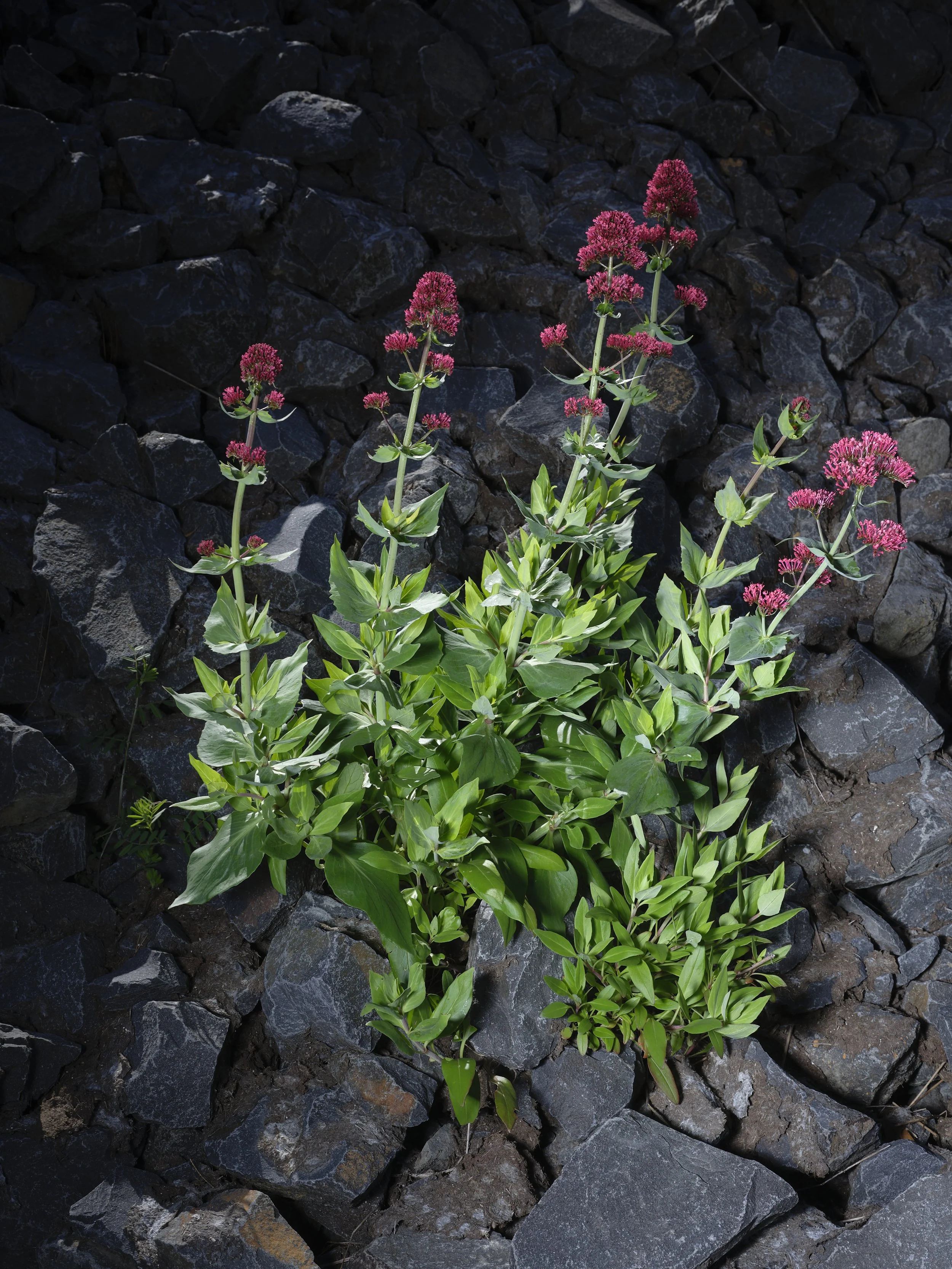
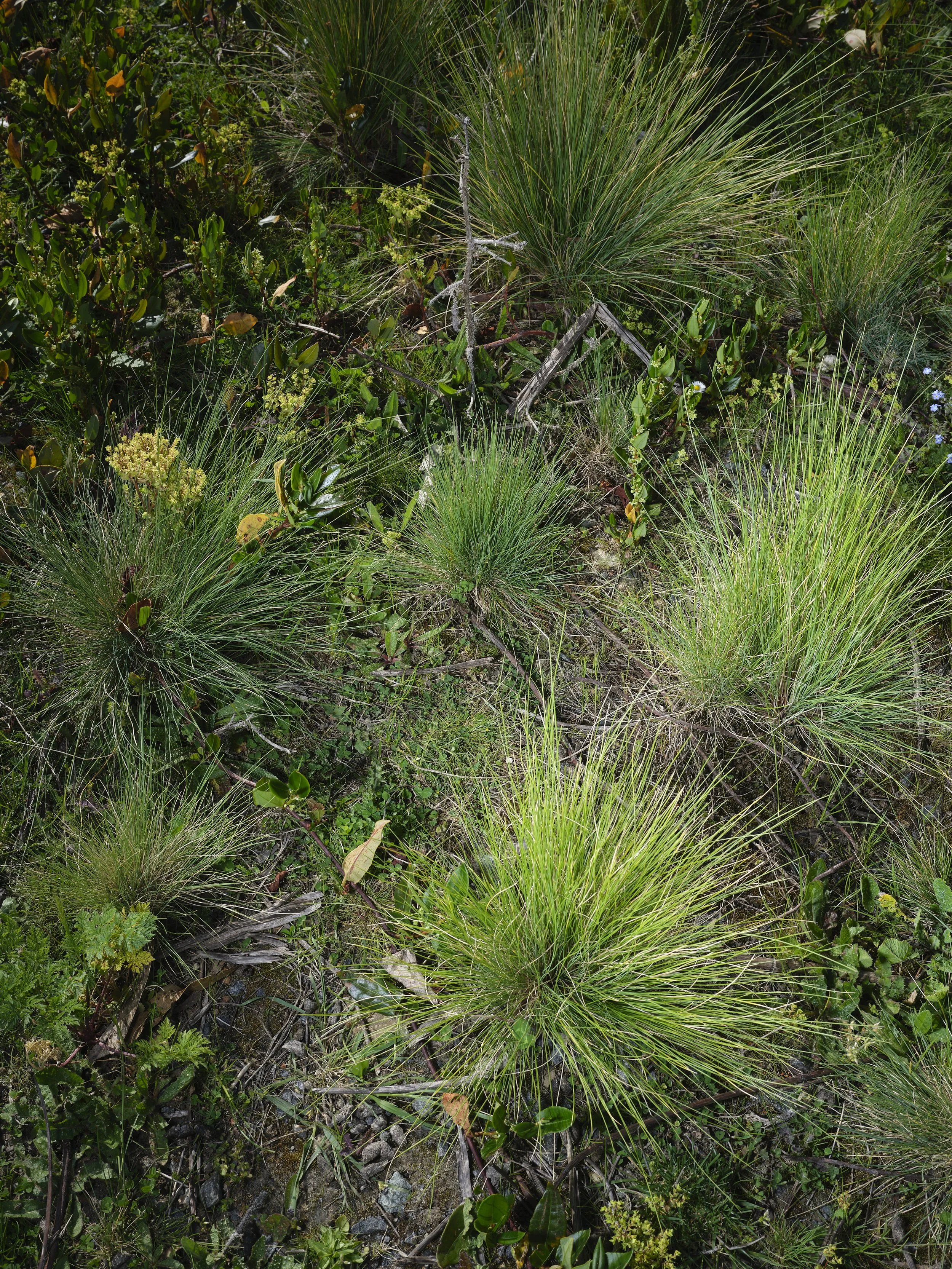
Edgeland Phytosociology
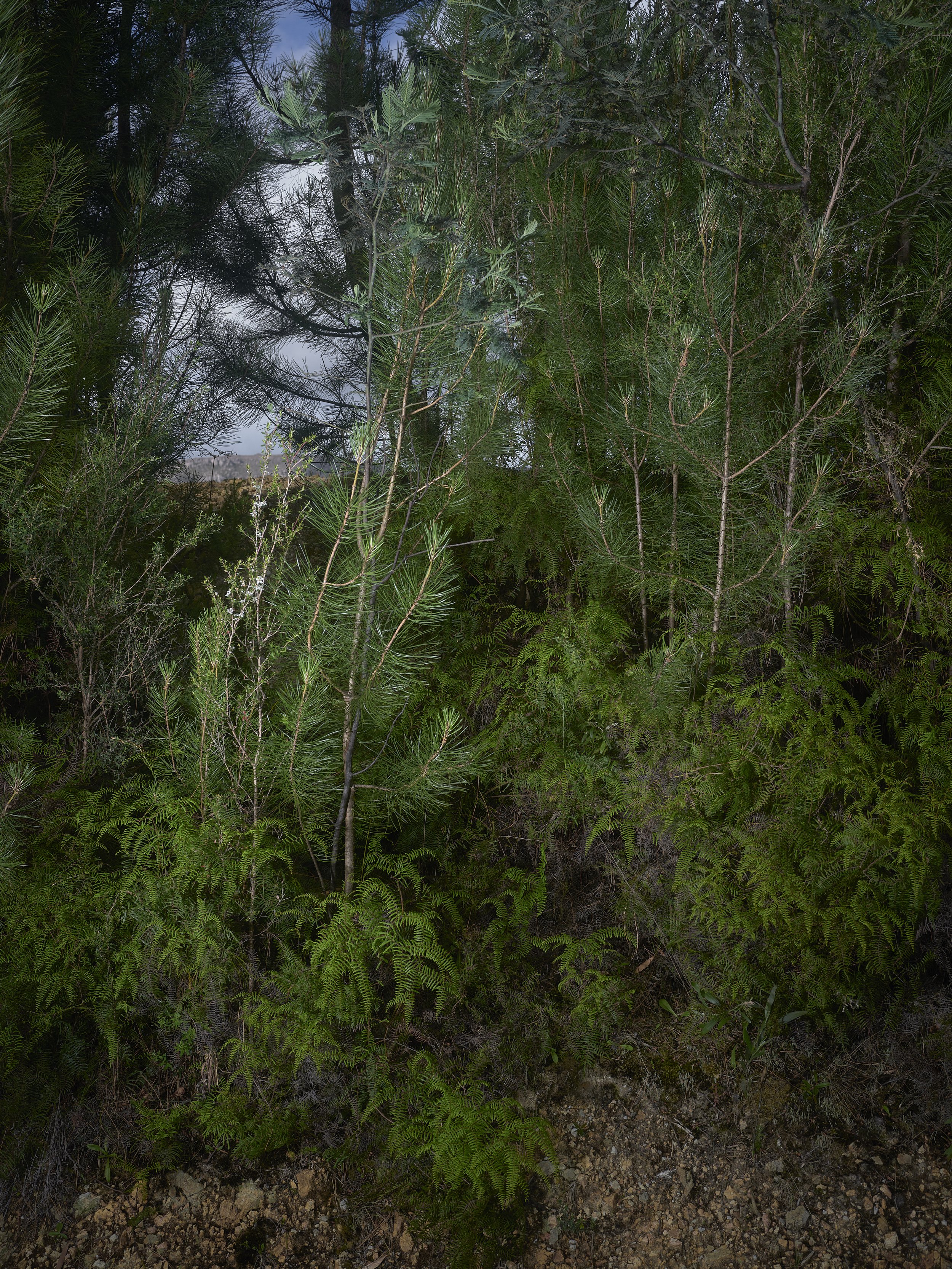
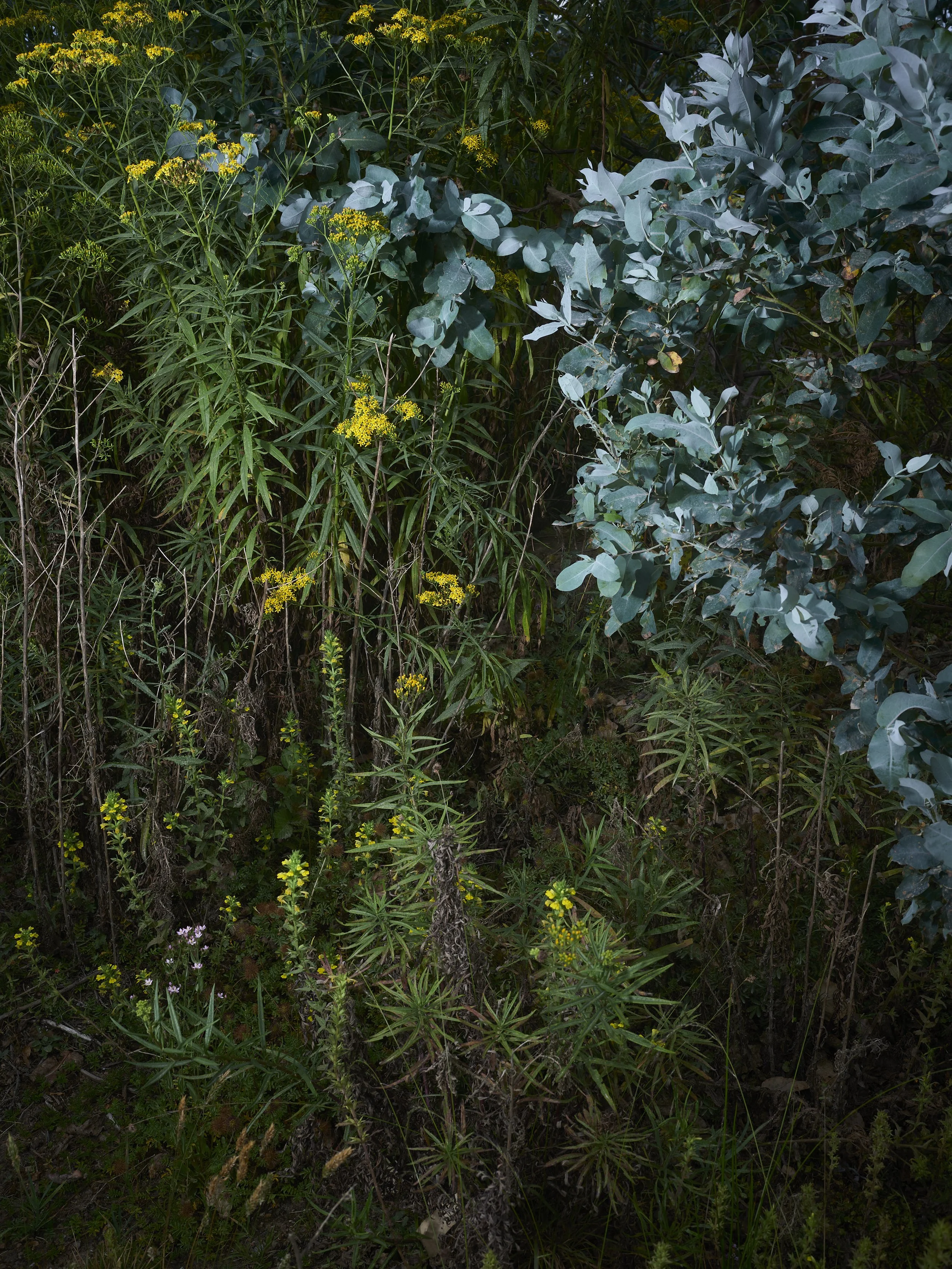
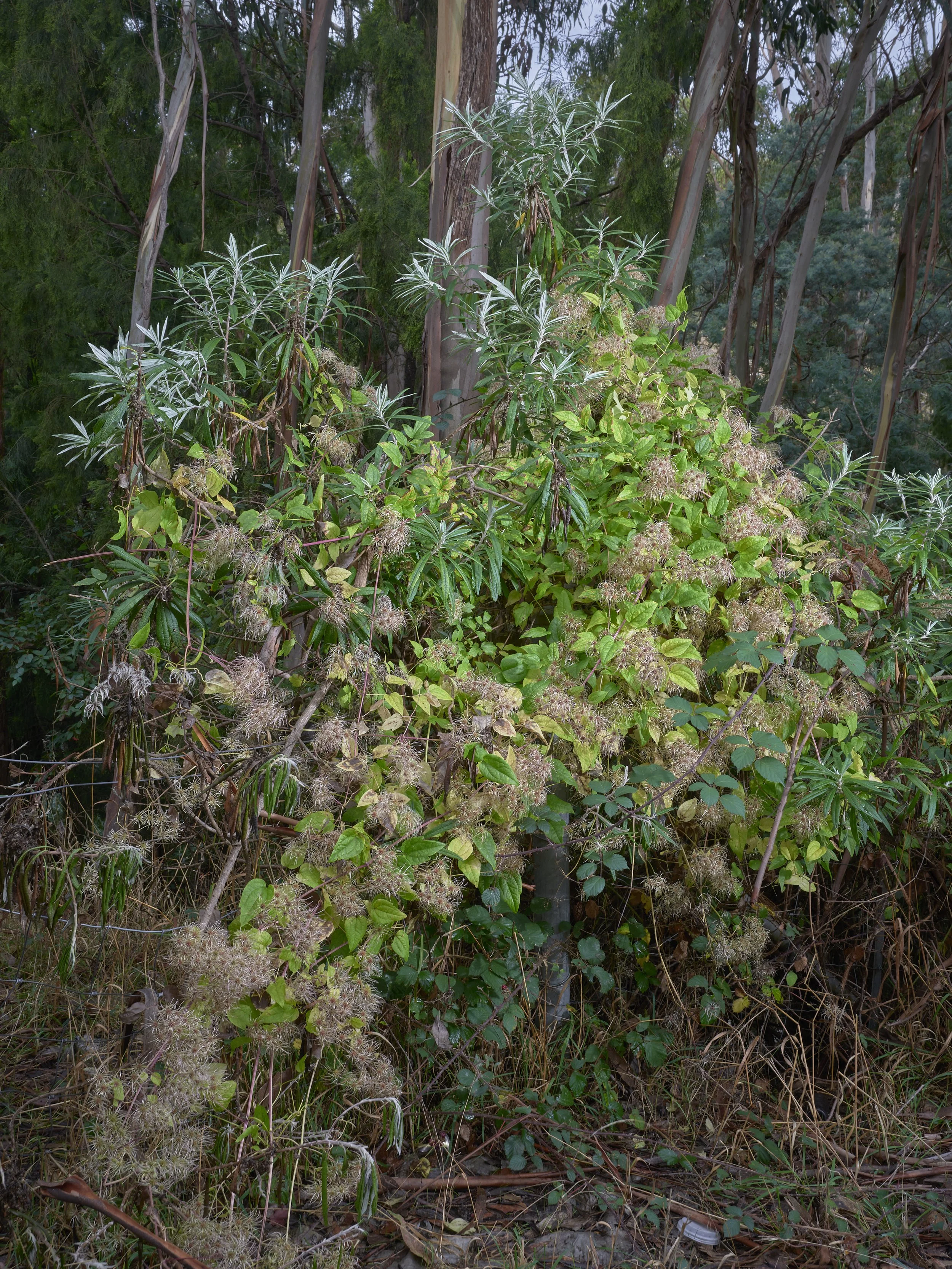
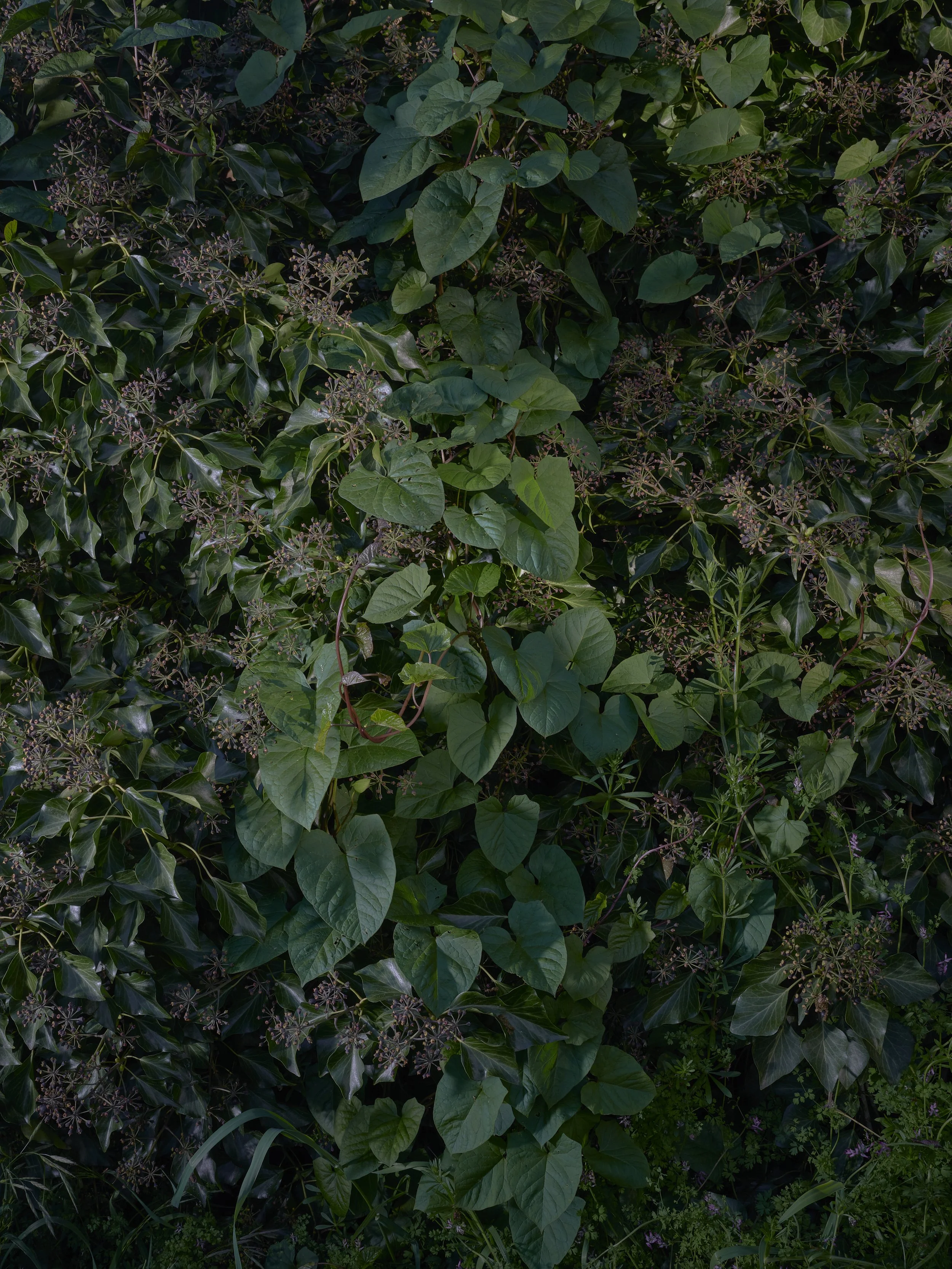
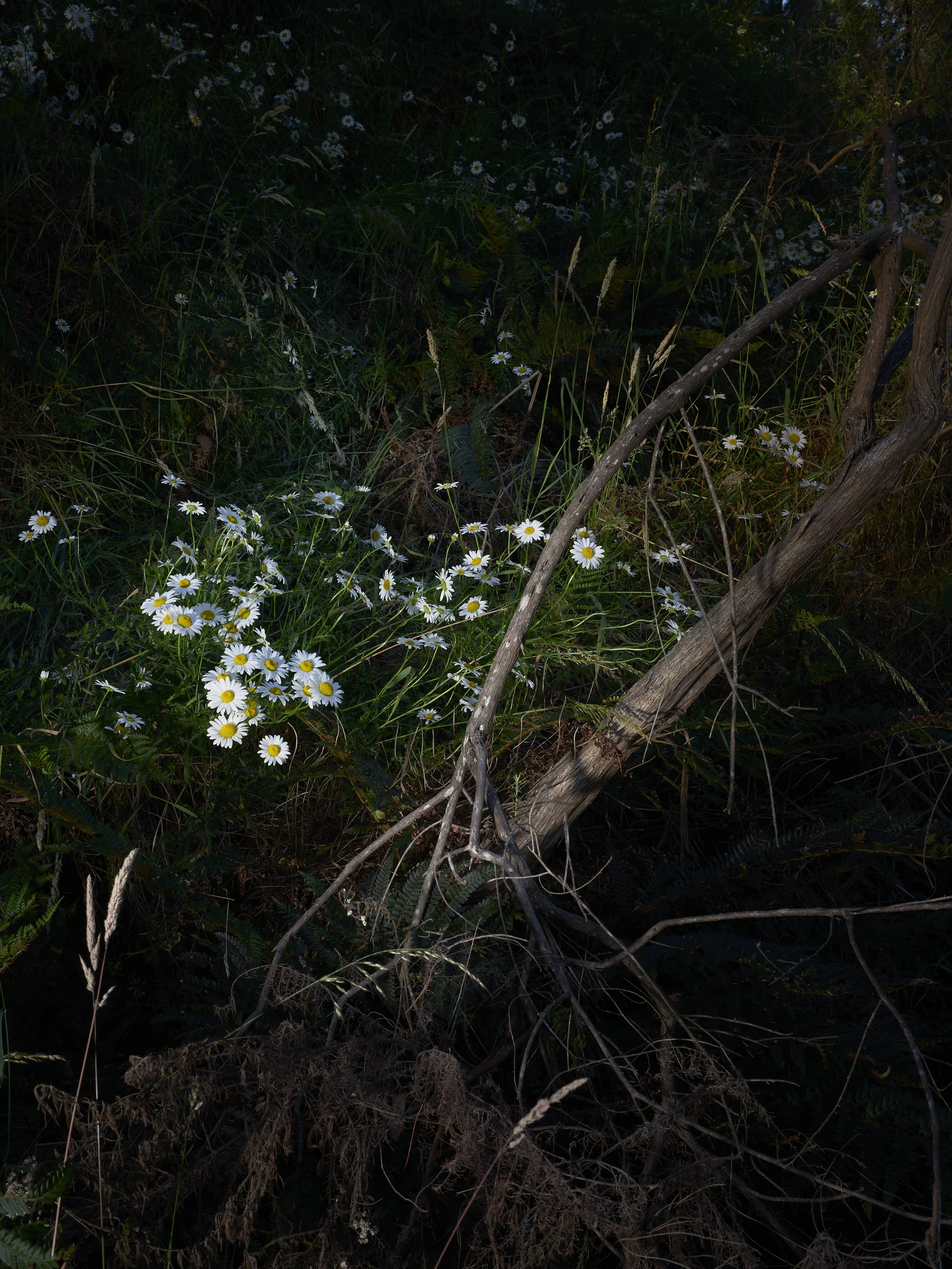
Andrew Walker coined Edgeland for the transitional, neglected space between rural and urban areas. This project explores the botanical in these places, and the new relationships between plants, people, and the larger world we have made for both. They are best understood as non-gardens, orphaned gardens, the garden reversed, agrestal, neophytic and hemerochoric. Incidental, collateral, consequential, side-effects of. They are of non-choice, of passivity, deferral, inconvenience. They are almost universally banal, utilitarian, secondary. The unseen gardens of unseen landscapes.
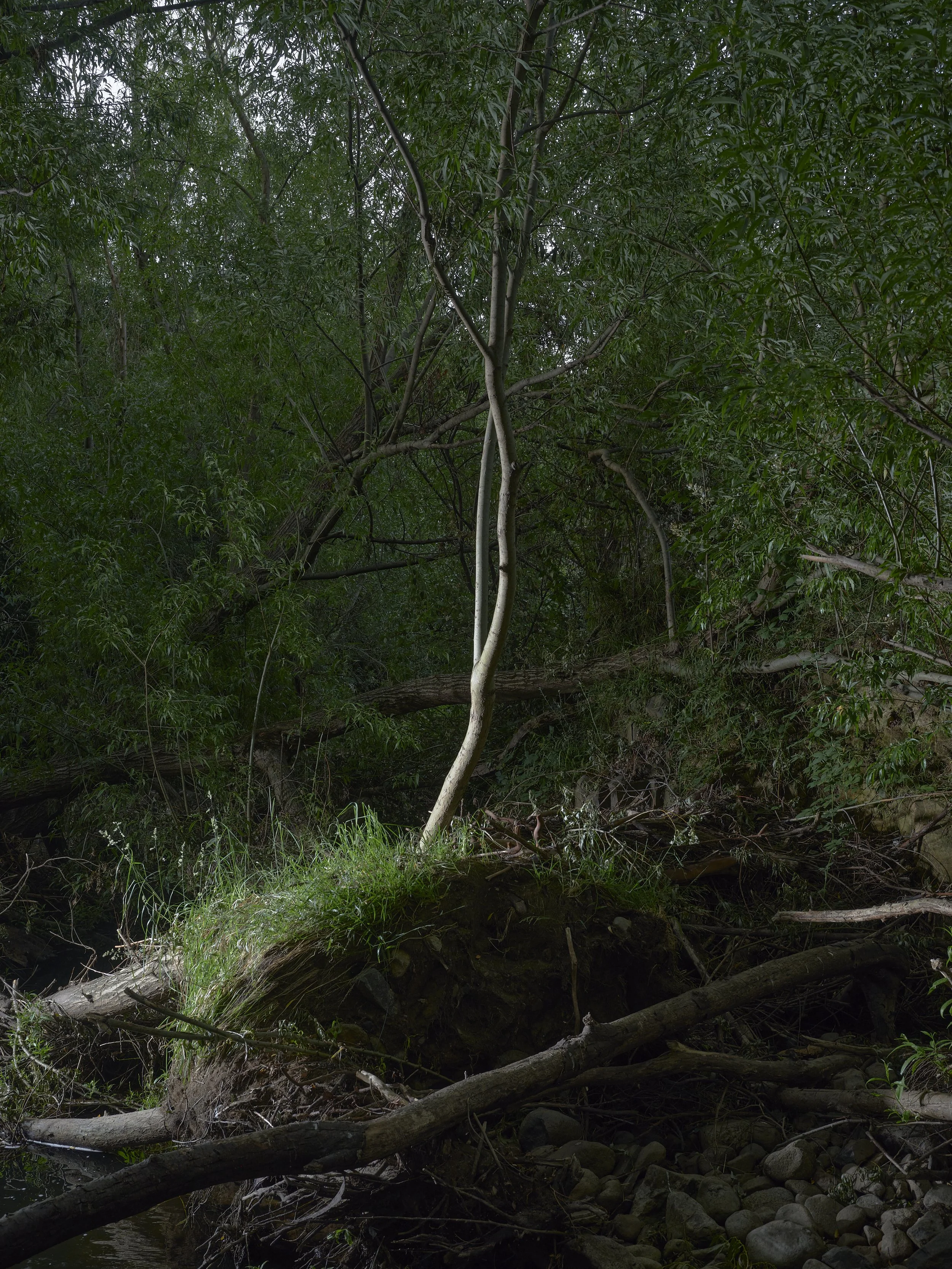
You find them in areas of open space retained as a buffer around industry or hazards, areas of land slip or contamination, drainage, floodway or stormwater retention. On soft estates, the banks of highways and rivers, or allotments between schools and nursing homes. On roads that disappear into dense forests and tracks that fade into scrub. In drossscape, bastard countryside, terrain vague, edgelands. They may be used for recreation, or access, or nothing at all.
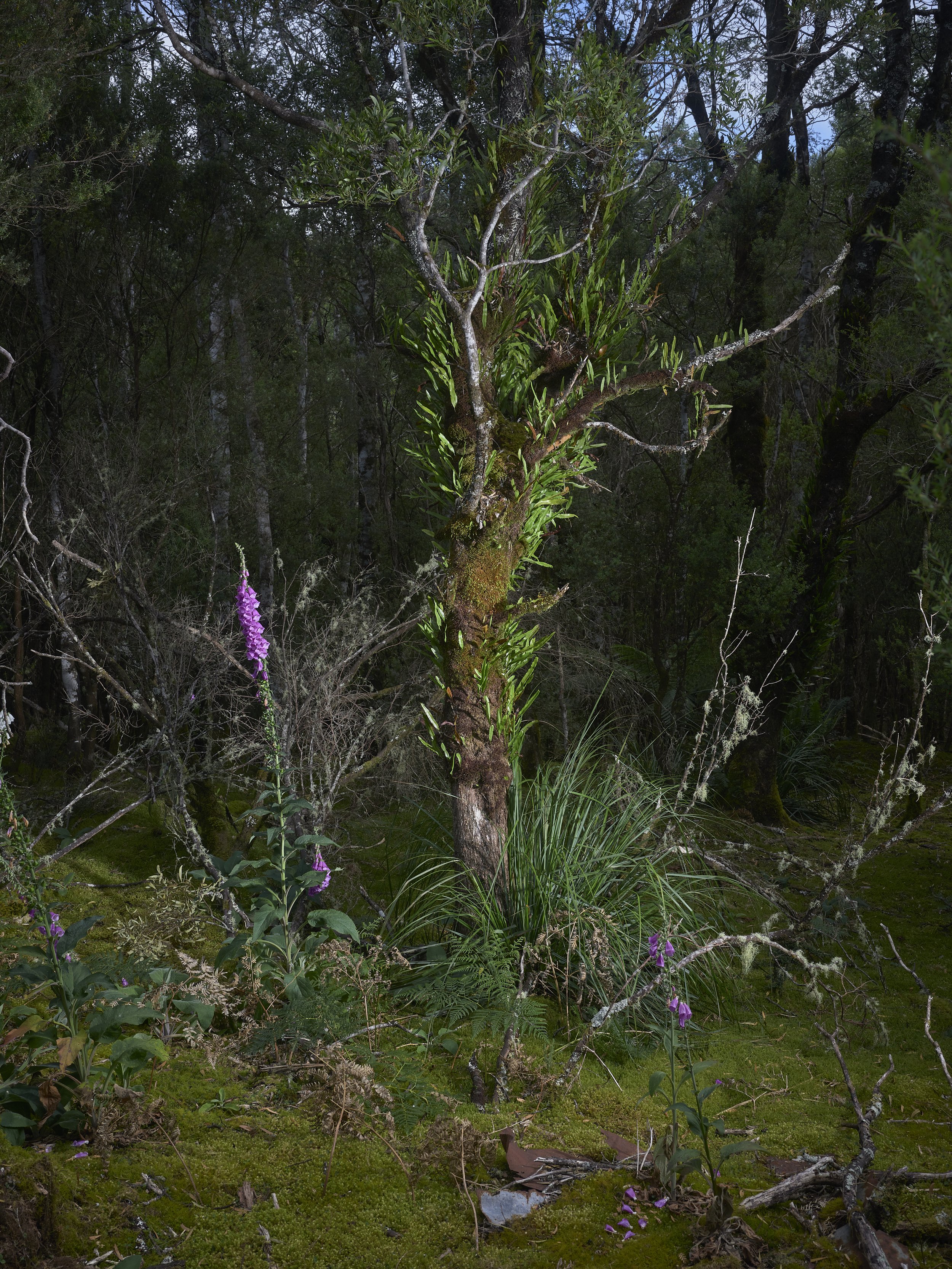
Plants from South Africa, Europe, New Zealand, the Mediterranean, the Americas, and mainland Australia compete with Tasmanian natives in a gladiatorial pit where anyone who survives is welcome. Neglect, suppression, utility, naivety and a people disconnected from their myths.
They are maps, botanical systems that trace the lines of cultural landscapes, meaning embedded in genus and relationships of contest and collaboration – pastiches of overlapping histories and insights, partially obscured and rife with conjecture. Here we find the ancestors of domestic escapees, remnants of orchards, thistle seeds stowed away in sheep’s wool on wooden ships or the tread of an excavator.
To visit these gardens is to briefly suspend geographical and temporal orientation, you are somewhere very specific and simultaneously anywhere at all. They are hyper-maximal, they are overwhelming. This disorientation allows for reflexive projection, if I am not here or today, then perhaps I am tomorrow and elsewhere. They offer potential futures, a new globalised mega-continent, the gardens of the age of the Anthropocene stretching to every corner of the world, markers of and dependant on a new world.
They exist in an aesthetic and cultural blind spot. In Wilderness calendars and postcards of Bruny Island or Russell Falls, there are clear ideological boundaries for the botanical surface. Like armpit hair in porn, exotic species are removed or tactfully avoided in depiction and thought of wild Tasmania; so as not to dim the value of place as untamed. This is a versions of terra-nullius and religious purity, perpetually virginal, visually available for consumption. The photographs of Edgelands Phytosociology are an attempt to read and re-read the landscape as specifically, inevitably peopled.