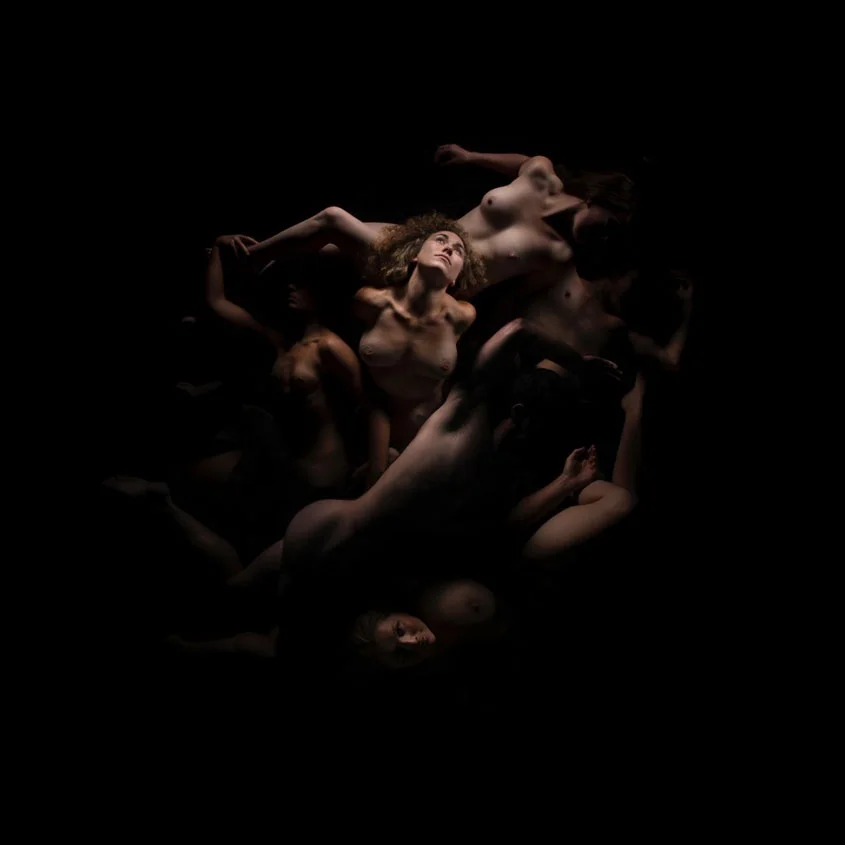
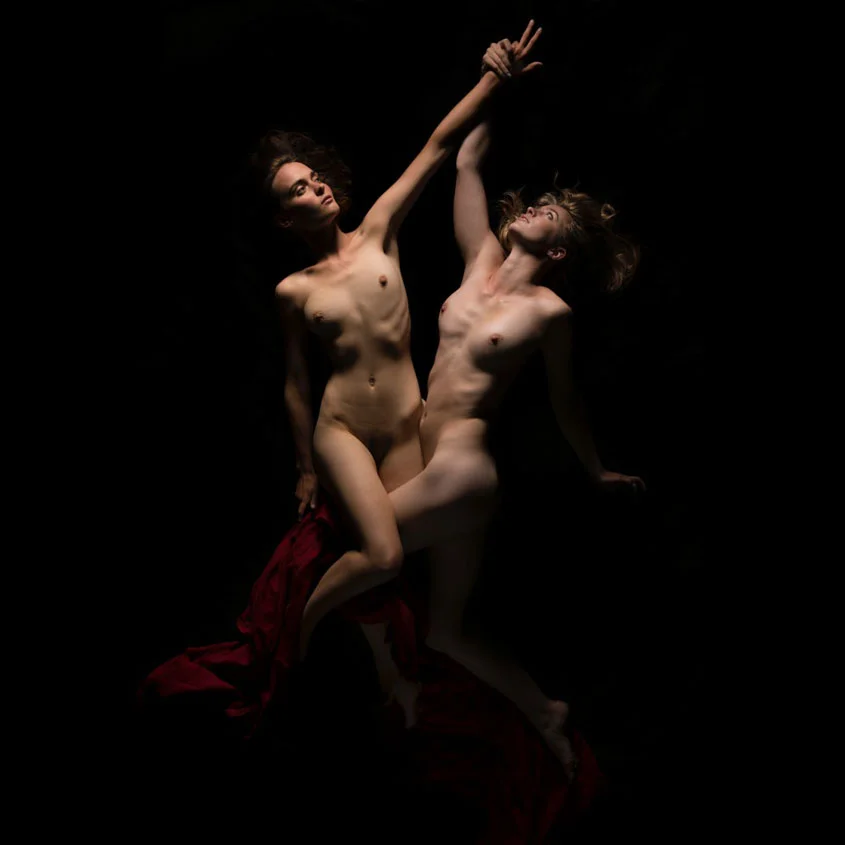
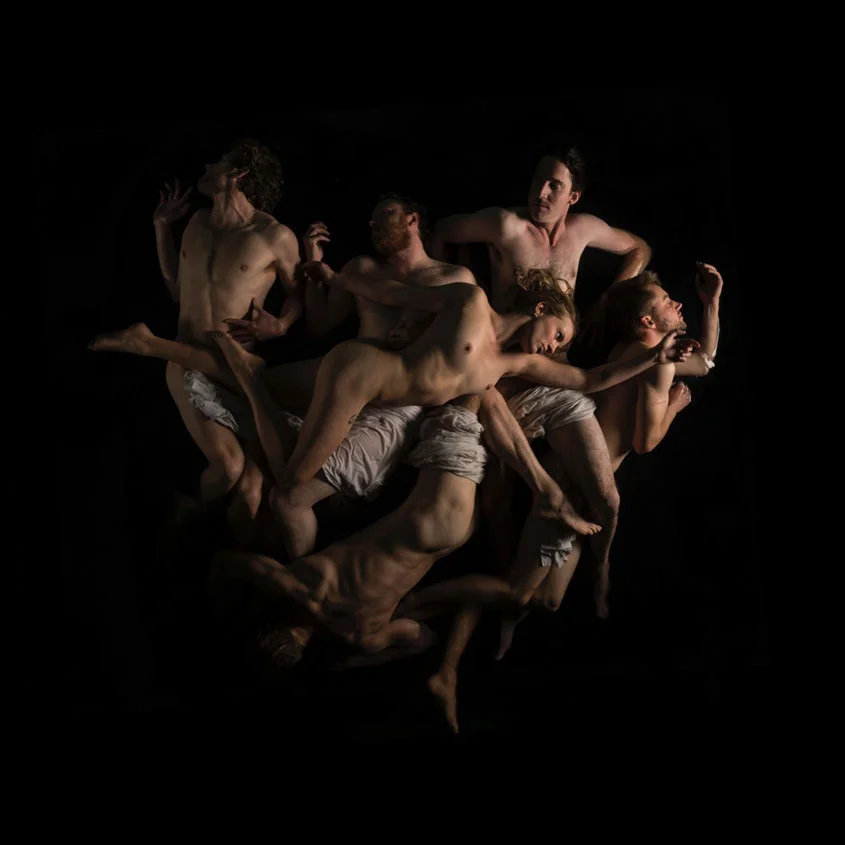
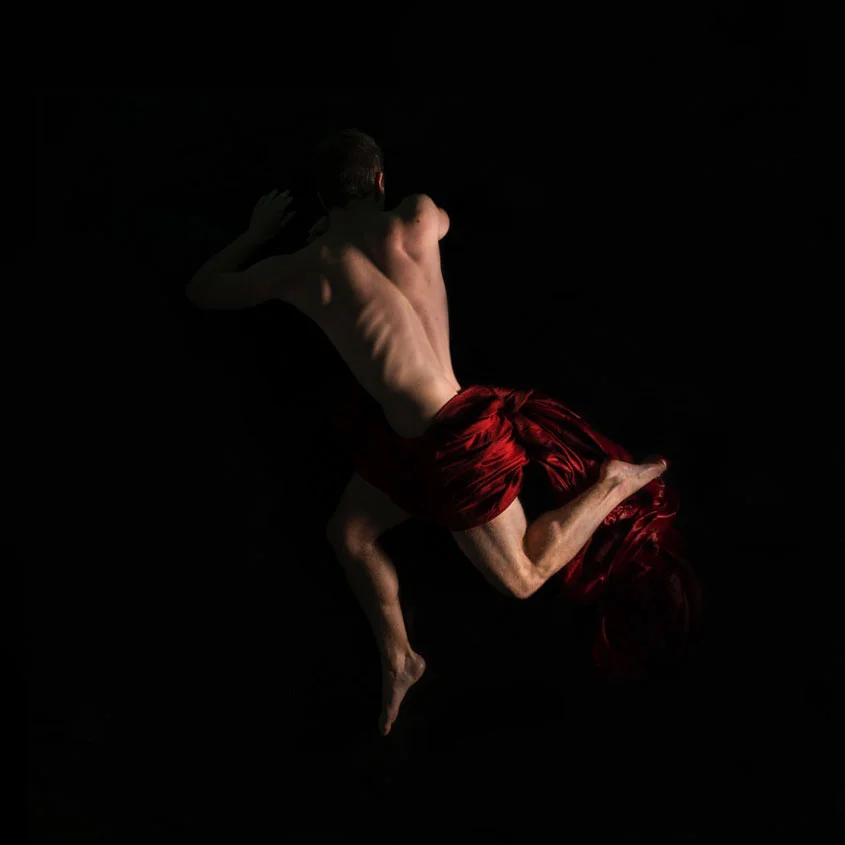
The Sixth Day: Creatures on Land
Hieroglyphs, made of light.
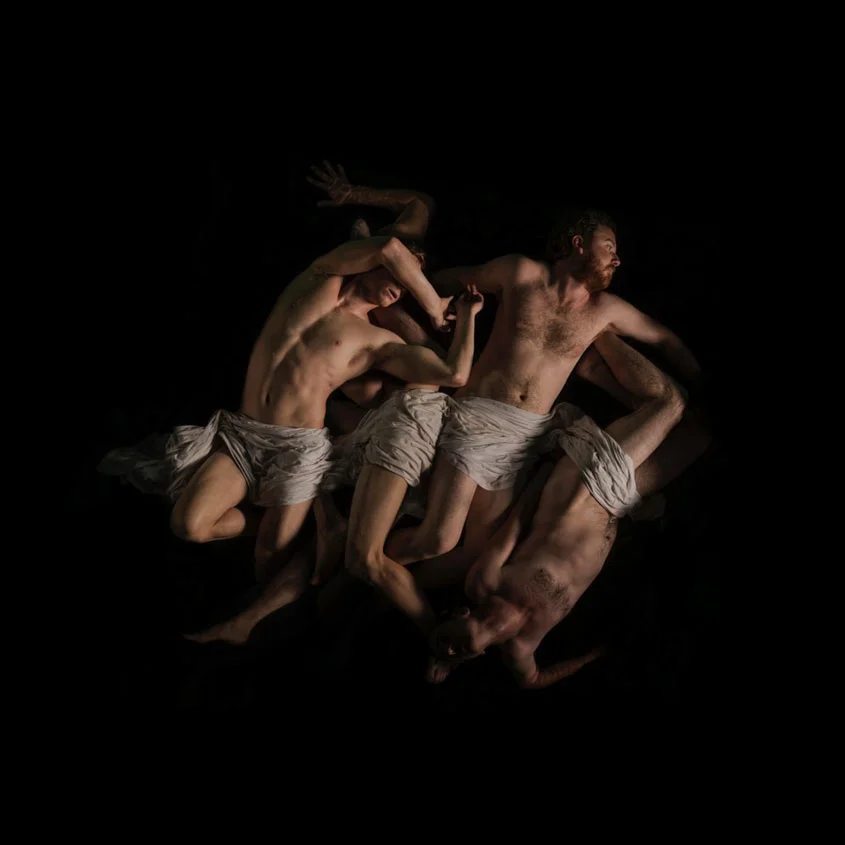
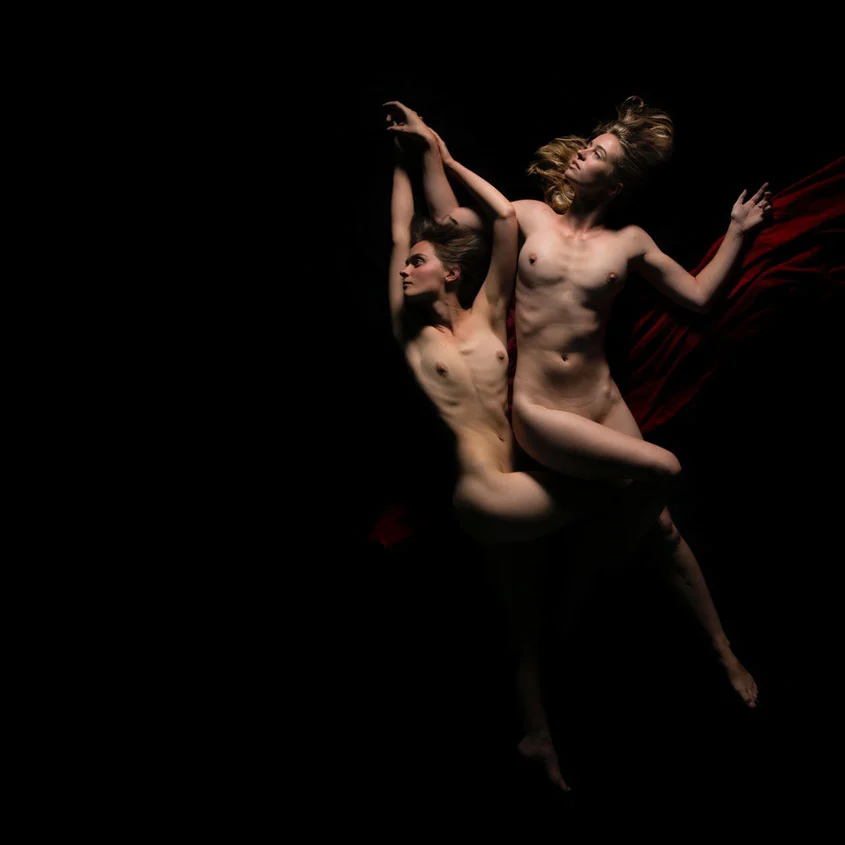
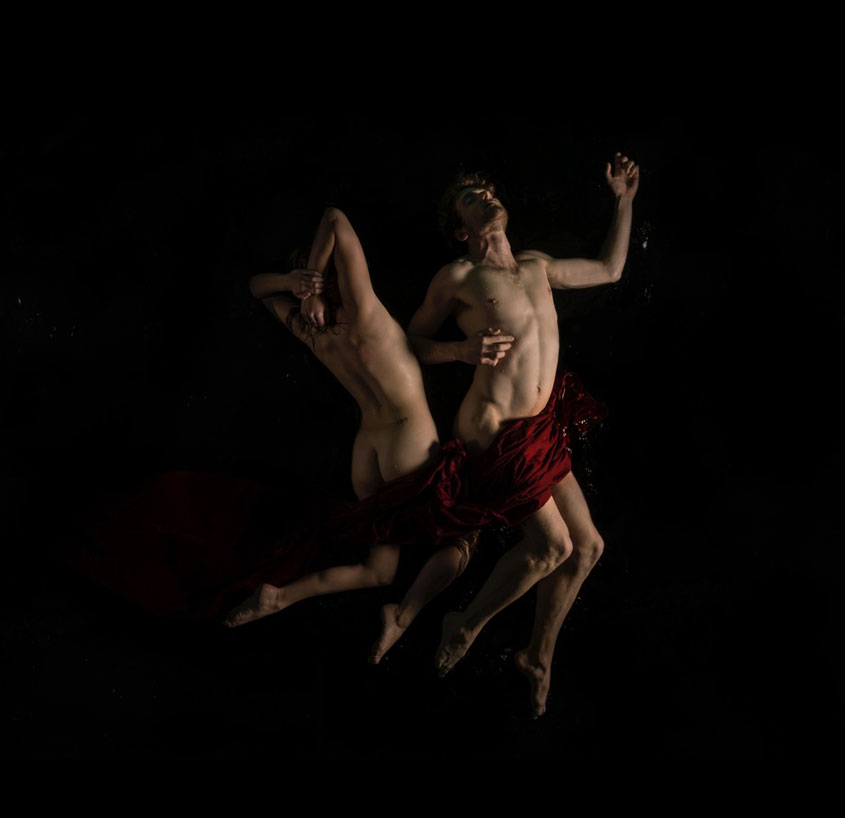
What is photography anyway? No one invents it, it is one of those human things where idea is added to idea and the ability to capture light is constantly improved. It’s a reflection of technological ambition, a will to make something that captures an image. It’s chemicals and light, or it was, now it is light composed of binary numbers. Everything is numbers, music is math, the universe is explained by complex equations and we can calculate how many pixels may dance on the head of a pin, although there is more flexibility than anyone sees at first glance. Math is not rigid, light bends under the force of gravity. Bachchino Malato Photography signified the end of realistic art, the perfect technical representation made redundant. Oh, representation still exists and likely always shall, but its necessary moment was ended with the first daguerreotype image. The growth and spread of conceptual and abstract visual art is linked to the growth and spread of photography, but photography itself may become conceptual and abstract. Indeed, it did. And will only more so. Photography dissects time. The vivisectionists present a cross-section and we will stare at it, aware there was a proceeding that led to here. This slice was part of a whole. Let us stare in wonder into it, to see what it may tell us. Faust’s Vision I first met Jack at work. We had fallen into a similar job and we guarded – invigilated – an exhibition of precious conceptual abstract work by a performance artist. The irony of meeting a photographer in such an environment is amusing. I was no closer to the work we both stared at for months than he. He revealed his interest in photography. I revealed my utter loathing for wilderness photography. Jack revealed his indulgence in such a practice, but it was not an issue. He understood the unending cliché of water beads on unfurling manfern tips might drive anyone to distraction. The idea of an ultimate ambition to be on a greeting or birthday card, to make something that somehow falsifies – romanticises – nature. I want to see something that brings me to grips with the real. Patrocles Nature is not fairyland and there is something dishonest about filtering it to be so. Nature stings and drowns and freezes. Nature is not sterile or contained. Nature is bodies. Bodies in space, suspended in motion, transformed, the body as sacred, profane, erotic, eroticised, gazed upon, collected, stolen, dissected, exposed. Photographers are voyeurs. (All artists are voyeurs, filthy gazers. Any photographer worth their salt has a deep throbbing voyeur’s vein in some secret muscle.) These photographs are of water, light, bodies, and straining flesh. Skin. Sex. They smell of salt, blood. There’s a permeable border between the erotic and the pornographic. L’ Amor et Psyche Sometimes each borrows from the other to amplify an effect, to disturb you. Should I really be seeing this? What are you showing me? Why do you want me to look, see, what? Such pretty, quivering flesh; paper thin slices of Kobe beef (not the stuff we pretend is wagyu, the actual stuff, from Japan. Served raw in a slice the thickness of a credit card. Two dipping sauces. Get the dipping order right. The manner in which you eat is precise and pre-ordained. Pay attention.) Her softened pubic hair is like kelp. Her living, soft skin so pale underwater. Flesh carved from something. Not ivory. That is too dead, the white of bone and extinction. White, room temperature Camembert. You can taste the bacteria beginning to breed. It’s better unpasteurised, that body. Hippomenes and Atlanta In that water. With that seaweed unfurling like the sex organ of a mollusc. Water that looks like exploding gold from a furnace. An iceberg. A quality of sullen blue that eats wreckage. A not-whale. The smooth edges make it soft, but we know it is not. More than anything else, here we are in the mind of the photographer. Do not look at just one image. Look at them all and see the self-portrait. Reach back to Caravaggio and his bodies leering out from the dark. Classical painting, murder, murdered by light, brought back, never quite so vital and yet we all breath in sharply. So many bodies, buried, drowned, frozen in time. Balance of the Zodiac Something unfurls amongst these images. These bodies are real people. They were made to roll over and posed. Where is the control? Is it in the set up? How long did this moment take to create and from what angle does that panorama look so correct? Did you see it in the minds eye? Something bleeds back and spreads beyond the edge of the image. Photography is silent. Rivers are as full of chatter as a pub on Saturday. The groans of drunks resemble wood cracking underwater, slapping. The ocean is salty, just like human blood. Nature is not fairyland. An underwater forest. The Sleep of reason produces monsters. I don’t like wilderness photography. I like nature. Jack understood what I meant. He suggested I read a book; Ursula K LeGuin’s The Left Hand of Darkness. It is a story about a winter world where sexuality is somewhat fluid. It is a magnificent and succinct novel that contains much. Not a word out of place, a supreme achievement of the craft of a writer. As I play with word and image association, the idea of eroticism and cold arise again and again as I look through the images. Not cold but wet. Dampness. Sticky, fecund, alive. A wet body in space, a sweat covered strain, a sting, a slap, a bite, an orgasm. Goosepimples. All pinned to a board. All here. This is a design of wet bodies. Brine and sweat. I need to look closer, look at the intersections between each one.
ANDREW HARPER