Edgeland Phytosociology
Andrew Walker coined Edgeland for the transitional, neglected space between rural and urban areas. This project explores the botanical in these places, and the new relationships between plants, people, and the larger world we have made for both. They are best understood as non-gardens, orphaned gardens, the garden reversed, agrestal, neophytic and hemerochoric. Incidental, collateral, consequential, side-effects of. They are of non-choice, of passivity, deferral, inconvenience. They are almost universally banal, utilitarian, secondary. The unseen gardens of unseen landscapes.
You find them in areas of open space retained as a buffer around industry or hazards, areas of land slip or contamination, drainage, floodway or stormwater retention. On soft estates, the banks of highways and rivers, or allotments between schools and nursing homes. On roads that disappear into dense forests and tracks that fade into scrub. In drossscape, bastard countryside, terrain vague, edgelands. They may be used for recreation, or access, or nothing at all.
Plants from South Africa, Europe, New Zealand, the Mediterranean, the Americas, and mainland Australia compete with Tasmanian natives in a gladiatorial pit where anyone who survives is welcome. Neglect, suppression, utility, naivety and a people disconnected from their myths.
They are maps, botanical systems that trace the lines of cultural landscapes, meaning embedded in genus and relationships of contest and collaboration – pastiches of overlapping histories and insights, partially obscured and rife with conjecture. Here we find the ancestors of domestic escapees, remnants of orchards, thistle seeds stowed away in sheep’s wool on wooden ships or the tread of an excavator.
To visit these gardens is to briefly suspend geographical and temporal orientation, you are somewhere very specific and simultaneously anywhere at all. They are hyper-maximal, they are overwhelming. This disorientation allows for reflexive projection, if I am not here or today, then perhaps I am tomorrow and elsewhere. They offer potential futures, a new globalised mega-continent, the gardens of the age of the Anthropocene stretching to every corner of the world, markers of and dependant on a new world.
They exist in an aesthetic and cultural blind spot. In Wilderness calendars and postcards of Bruny Island or Russell Falls, there are clear ideological boundaries for the botanical surface. Like armpit hair in porn, exotic species are removed or tactfully avoided in depiction and thought of wild Tasmania; so as not to dim the value of place as untamed. This is a versions of terra-nullius and religious purity, perpetually virginal, visually available for consumption. The photographs of Edgelands Phytosociology are an attempt to read and re-read the landscape as specifically, inevitably peopled.
The International Planned Parenthood Federation, IPPF, is a locally-led, globally connected civil society movement, delivering sexual and reproductive healthcare and fighting for sexual and reproductive rights.
Across Vanuatu, the Solomon Islands, Fiji, and Kiribati, reproductive health and sexuality remain a private, rarely discussed subject that is pushed to the periphery of healthcare. Nurses and lab technicians work with limited resources, hand-drawn diagrams to explain STI prevention, and simple low tech methods for maternal health. IPPF’s work here is varied and challenging. A solitary nurse serving dozens of villages, a Toyota packed with volunteers setting up screening stations beside a traditional meeting house, peer educators handing out condoms in kava bars and technical institutes.
2041 is an international mission founded by polar explorer Robert Swan, the first person to walk to both the North and South Poles. It centres on the year 2041, when the Protocol on Environmental Protection to the Antarctic Treaty is open for review, which could potentially lift the ban on commercial mining and mineral exploitation on the continent.
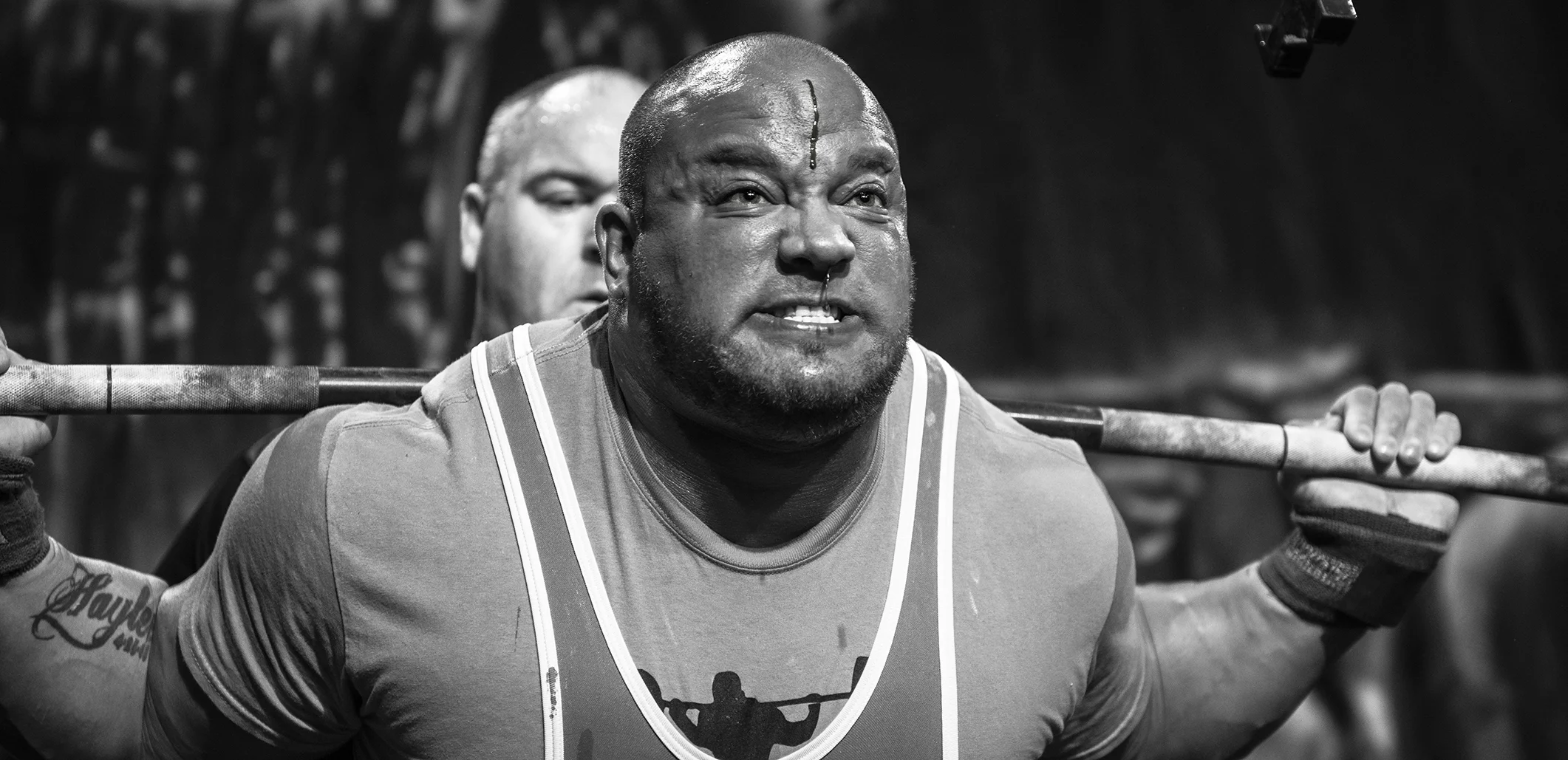
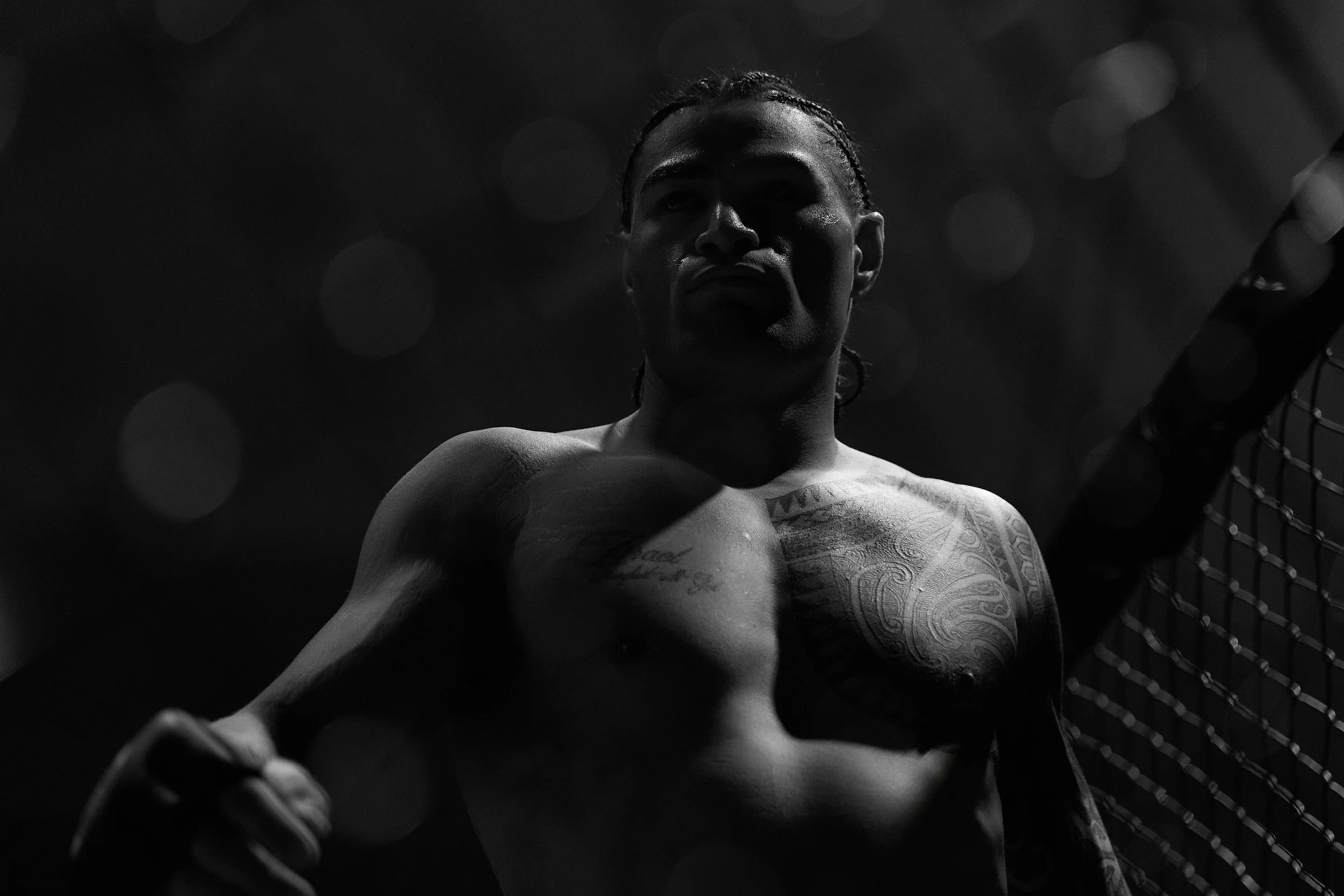
Slaughterhouse Gym operates out of a converted industrial unit on Lampton Avenue, Derwent Park. It is the only dedicated powerlifting gym in Tasmania, and has produced state, national, and world-level titleholders. Gym proprietor Wayne Howlett became the first Australian to total 950kg at 123kg bodyweight and competed at the World Raw Powerlifting Championships in Moscow. In 2014 Slaughterhouse Gym members travelled to Sydney to compete in the GPA powerlifting and bench press competition.
Hieroglyphs, made of light.
What is photography anyway? No one invents it, it is one of those human things where idea is added to idea and the ability to capture light is constantly improved. It’s a reflection of technological ambition, a will to make something that captures an image. It’s chemicals and light, or it was, now it is light composed of binary numbers. Everything is numbers, music is math, the universe is explained by complex equations and we can calculate how many pixels may dance on the head of a pin, although there is more flexibility than anyone sees at first glance. Math is not rigid, light bends under the force of gravity. Bachchino Malato Photography signified the end of realistic art, the perfect technical representation made redundant. Oh, representation still exists and likely always shall, but its necessary moment was ended with the first daguerreotype image. The growth and spread of conceptual and abstract visual art is linked to the growth and spread of photography, but photography itself may become conceptual and abstract. Indeed, it did. And will only more so. Photography dissects time. The vivisectionists present a cross-section and we will stare at it, aware there was a proceeding that led to here. This slice was part of a whole. Let us stare in wonder into it, to see what it may tell us. Faust’s Vision I first met Jack at work. We had fallen into a similar job and we guarded – invigilated – an exhibition of precious conceptual abstract work by a performance artist. The irony of meeting a photographer in such an environment is amusing. I was no closer to the work we both stared at for months than he. He revealed his interest in photography. I revealed my utter loathing for wilderness photography. Jack revealed his indulgence in such a practice, but it was not an issue. He understood the unending cliché of water beads on unfurling manfern tips might drive anyone to distraction. The idea of an ultimate ambition to be on a greeting or birthday card, to make something that somehow falsifies – romanticises – nature. I want to see something that brings me to grips with the real. Patrocles Nature is not fairyland and there is something dishonest about filtering it to be so. Nature stings and drowns and freezes. Nature is not sterile or contained. Nature is bodies. Bodies in space, suspended in motion, transformed, the body as sacred, profane, erotic, eroticised, gazed upon, collected, stolen, dissected, exposed. Photographers are voyeurs. (All artists are voyeurs, filthy gazers. Any photographer worth their salt has a deep throbbing voyeur’s vein in some secret muscle.) These photographs are of water, light, bodies, and straining flesh. Skin. Sex. They smell of salt, blood. There’s a permeable border between the erotic and the pornographic. L’ Amor et Psyche Sometimes each borrows from the other to amplify an effect, to disturb you. Should I really be seeing this? What are you showing me? Why do you want me to look, see, what? Such pretty, quivering flesh; paper thin slices of Kobe beef (not the stuff we pretend is wagyu, the actual stuff, from Japan. Served raw in a slice the thickness of a credit card. Two dipping sauces. Get the dipping order right. The manner in which you eat is precise and pre-ordained. Pay attention.) Her softened pubic hair is like kelp. Her living, soft skin so pale underwater. Flesh carved from something. Not ivory. That is too dead, the white of bone and extinction. White, room temperature Camembert. You can taste the bacteria beginning to breed. It’s better unpasteurised, that body. Hippomenes and Atlanta In that water. With that seaweed unfurling like the sex organ of a mollusc. Water that looks like exploding gold from a furnace. An iceberg. A quality of sullen blue that eats wreckage. A not-whale. The smooth edges make it soft, but we know it is not. More than anything else, here we are in the mind of the photographer. Do not look at just one image. Look at them all and see the self-portrait. Reach back to Caravaggio and his bodies leering out from the dark. Classical painting, murder, murdered by light, brought back, never quite so vital and yet we all breath in sharply. So many bodies, buried, drowned, frozen in time. Balance of the Zodiac Something unfurls amongst these images. These bodies are real people. They were made to roll over and posed. Where is the control? Is it in the set up? How long did this moment take to create and from what angle does that panorama look so correct? Did you see it in the minds eye? Something bleeds back and spreads beyond the edge of the image. Photography is silent. Rivers are as full of chatter as a pub on Saturday. The groans of drunks resemble wood cracking underwater, slapping. The ocean is salty, just like human blood. Nature is not fairyland. An underwater forest. The Sleep of reason produces monsters. I don’t like wilderness photography. I like nature. Jack understood what I meant. He suggested I read a book; Ursula K LeGuin’s The Left Hand of Darkness. It is a story about a winter world where sexuality is somewhat fluid. It is a magnificent and succinct novel that contains much. Not a word out of place, a supreme achievement of the craft of a writer. As I play with word and image association, the idea of eroticism and cold arise again and again as I look through the images. Not cold but wet. Dampness. Sticky, fecund, alive. A wet body in space, a sweat covered strain, a sting, a slap, a bite, an orgasm. Goosepimples. All pinned to a board. All here. This is a design of wet bodies. Brine and sweat. I need to look closer, look at the intersections between each one.
ANDREW HARPER
There is a dark magic in the myths of the ocean, a churning fury that seems to validate Jungs lunatic concepts of a universal mythological subconscious. A thrashing bloody madness of creative potential; sex and blood explored by cultures so isolated and disparate it’s hard not to wonder. In the Aegean sea, Saturn castrating his father and throwing the remnants into the frothing waves to bring forth Venus, god of love upon the shore. Namakaokahai the Hawaiian ocean spirit eternally battling her sister Pele over a shared lover where ocean meets volcanic eruption. In Tasmania the fisherman Maywerick is killed and he and his wife transformed into scale fish after jealous spirits fight for the mans attention. These stories we tell ourselves say more about the teller than the audience, a way of shaping the amorphous terror of deep black water into a romantic spat; early and ongoing attempts at describing a mystery that really isn’t any of our business.